
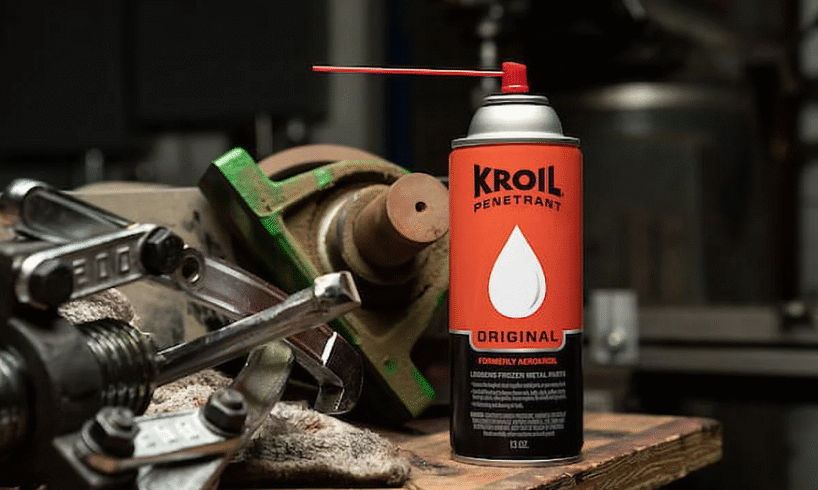
Few mechanical problems are as frustrating as a bolt that refuses to turn or a metal component that seems permanently fused in place. Whether working on a vehicle, heavy machinery, or household fixtures, seized fasteners and corroded joints can bring any project to a halt. This is where penetrating oil becomes an essential tool.
Understanding what penetrating oil is and how it works can help you choose the right product and apply it effectively. From breaking down rust to restoring movement in delicate materials such as aluminum, penetrating oil plays a vital role in maintenance and repair across industries.
What Is Penetrating Oil
Penetrating oil is a low viscosity liquid specifically designed to seep into tight spaces between metal surfaces. Its primary purpose is to loosen rusted, corroded, or stuck components by breaking the bond that forms over time due to oxidation and contamination.
Unlike thick lubricants or grease that sit on the surface, penetrating oil flows into microscopic gaps within threads and joints. It works beneath the visible surface to weaken corrosion and reduce friction.
Read More: How to Rent a Luxury Car in Dubai Without Breaking the Bank
This unique capability makes penetrating oil especially useful for loosening bolts, nuts, hinges, shafts, and other metal parts that have become difficult to move.
Why Metal Parts Become Stuck
To understand how penetrating oil works, it helps to know why components seize in the first place.
Most metal parts become stuck due to corrosion. When metal is exposed to moisture and oxygen, it undergoes oxidation. This chemical reaction produces rust, which expands and creates a rough surface texture. Rust builds up between contacting surfaces, increasing friction and effectively bonding them together.
In some cases, dirt, debris, and chemical residue can also accumulate within threads. Over time, temperature changes may cause metal expansion and contraction, tightening the connection further.
Read More: Group Transportation Made Easy: Alkhail Transport’s Minivan Rentals
Aluminum components present additional challenges. Aluminum can form oxide layers that bind tightly with other metals, especially steel. This makes choosing the best penetrating oil for aluminum particularly important, as the product must be compatible with softer metals while effectively loosening corrosion.
How Penetrating Oil Works at a Microscopic Level
The effectiveness of penetrating oil lies in its physical and chemical properties.
First, it has low viscosity. This means the liquid is thin enough to flow easily into narrow spaces. When applied to a stuck bolt or joint, the oil travels through tiny openings created by surface imperfections.
Second, penetrating oil reduces surface tension. Lower surface tension allows the liquid to spread across and within metal surfaces rather than forming droplets.
Third, many formulations contain additives that help break down rust and displace moisture. By weakening the chemical bonds of corrosion and pushing out water, penetrating oil reduces resistance between metal parts.
As the oil works its way into the threads, it creates a thin lubricating layer. This reduces friction and makes it easier to apply torque without stripping or snapping the fastener.
Key Components of Penetrating Oil
While formulations vary, most penetrating oils contain a combination of base oils and specialized additives.
The base oil provides lubrication. Solvents help thin the mixture and enhance penetration. Rust loosening agents assist in breaking down oxidation. Some products include corrosion inhibitors to protect metal surfaces after the initial application.
The balance of these ingredients determines how quickly and effectively the oil penetrates and loosens seized parts.
When working with sensitive materials such as aluminum, selecting the best penetrating oil for aluminum is important. Aluminum is softer than steel and can be more susceptible to chemical reactions. A suitable penetrating oil should be safe for use on non ferrous metals and should not cause staining or surface damage.
Applications Across Industries
Penetrating oil is widely used in automotive repair, industrial maintenance, construction, marine operations, and home improvement projects.
In automotive settings, it helps loosen exhaust bolts, suspension components, brake parts, and engine fasteners. In industrial environments, maintenance teams rely on penetrating oil to service heavy machinery exposed to moisture and harsh conditions.
Marine applications often involve saltwater corrosion, which can severely seize metal fittings. Penetrating oil is used to restore mobility without damaging surrounding components.
Homeowners frequently use penetrating oil for door hinges, outdoor furniture, plumbing fixtures, and garden equipment.
The versatility of penetrating oil makes it a staple in toolboxes across professions.
How to Use Penetrating Oil Effectively
Proper application enhances performance and prevents damage.
Begin by cleaning visible dirt and loose rust from the affected area. A wire brush can help expose threads and improve penetration.
Apply penetrating oil directly to the joint or fastener. Focus on the base of bolts and threaded areas where corrosion is concentrated. Allow time for the oil to seep in. Light corrosion may require only a few minutes, while severe cases may need repeated applications and extended soaking.
After allowing sufficient time, use the appropriate tool to gently attempt movement. Applying steady pressure rather than sudden force reduces the risk of breaking the fastener.
If resistance remains high, reapply the oil and wait longer. Patience often yields better results than excessive force.
Special Considerations for Aluminum Components
Aluminum is commonly used in vehicles, aircraft, and industrial equipment due to its lightweight and corrosion resistance. However, it can still seize when paired with steel fasteners.
Galvanic corrosion may occur when aluminum and steel come into contact in the presence of moisture. This reaction creates a bond that is difficult to break.
Using the best penetrating oil for aluminum is critical in these situations. The product should be compatible with aluminum and capable of penetrating fine oxide layers without causing chemical damage.
When working with aluminum, avoid aggressive mechanical force. Aluminum threads can strip easily. Allow the penetrating oil sufficient time to work before attempting removal.
Common Misconceptions About Penetrating Oil
One common misconception is that penetrating oil works instantly. While some products begin loosening corrosion quickly, deep rust may require time to break down.
Another misunderstanding is that all lubricants function the same way. Standard lubricants are designed for ongoing friction reduction, not for breaking rust bonds. Penetrating oil is formulated specifically for loosening seized components.
It is also important to note that penetrating oil is not a permanent lubricant in most cases. After freeing the part, applying an appropriate long term lubricant can provide continued protection.
Safety and Environmental Awareness
While penetrating oil is highly effective, it should be used responsibly.
Work in well ventilated areas, especially indoors. Avoid direct skin contact and use protective gloves when necessary. Keep the product away from open flames, as many formulations are flammable.
Dispose of used rags and containers according to local regulations. Proper handling ensures both personal safety and environmental protection.
Preventing Future Seizure
After successfully loosening a stuck part, consider preventive measures to avoid repeat issues.
Clean threads thoroughly before reassembly. Apply a suitable anti corrosion compound or lubricant to reduce moisture exposure. Ensure bolts are tightened to the correct torque specification to prevent unnecessary stress.
Regular inspection and maintenance reduce the likelihood of severe corrosion and minimize reliance on penetrating oil in emergency situations.
Penetrating oil is a powerful solution designed to address one of the most common challenges in mechanical work: seized and rusted components. By combining low viscosity, moisture displacement, and rust loosening properties, penetrating oil seeps into microscopic gaps and weakens the bonds that lock metal parts together.
Whether working on heavy equipment, automotive systems, marine hardware, or delicate aluminum components, understanding how penetrating oil works improves efficiency and reduces the risk of damage. Selecting the best penetrating oil for aluminum ensures compatibility and safe application on softer metals.
With proper use, patience, and preventive maintenance, penetrating oil can transform a frustrating repair into a manageable task. Its ability to restore movement and protect metal surfaces makes it an indispensable tool across industries and everyday projects alike.