
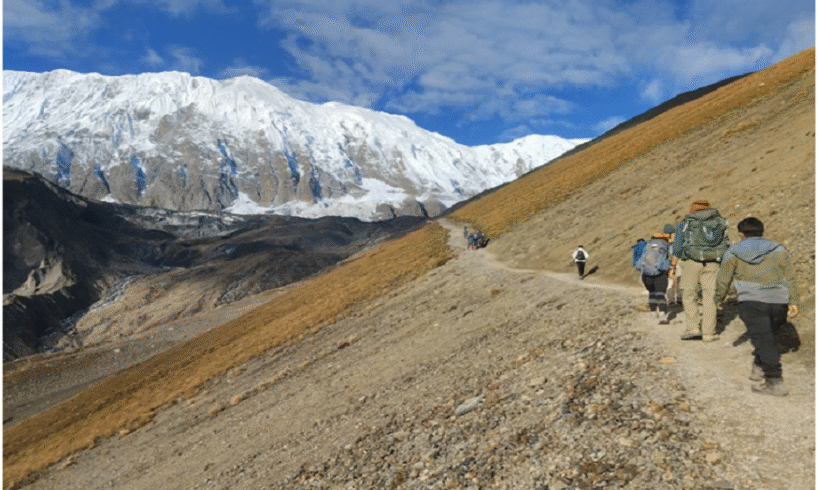
Nepal is a magical country. Mountains touch the sky, rivers flow like silver thread, forests whisper secrets, and every trek you take is an adventure for heart and soul. If you love nature, mountains, culture, small villages, and fresh air, then Nepal trekking is the best thing for you. Many treks here are famous for views, difficulty, local culture, landscapes, and, of course, Himalayan experience. In this article, we talk about the Mardi Himal Trek, Annapurna Circuit Trek, Nar Phu Valley Trek, and Everest Base Camp Trek. Each trek is special, each trek is a challenge, and each trek gives memory forever.
Mardi Himal Trek –
The Mardi Himal Trek is a hidden gem near the famous Annapurna Base Camp Trek. Many people come to Annapurna, but only a few choose Mardi Himal because this trek is still peaceful, less crowded, and quiet. The trek starts from Pokhara, a city famous for Phewa Lake, adventure activities, and beautiful mountain views. From Pokhara, you drive a few hours to the base village, then start walking in the forest, rhododendron, and small villages.
The trail is a mix of easy and moderate hikes, mostly forested with a few open ridges. On the way, you see Mardi Himal Base Camp, the view of Machapuchhre, Annapurna South, and Himchuli. Sunset and sunrise views here are amazing, very photogenic, and ideal for photographers and nature lovers. You sleep in teahouses or lodges; food is simple but tasty. Nepali dal bhat, momos, and noodles are common. The best time to do Mardi Himal is autumn (September to November) and spring (March to May), when the sky is clear and flowers bloom.
Read More: Parking in Dubai: Tips for Rental Car Drivers
This trek is good for beginner and intermediate trekkers. Not too hard like Manaslu or Everest high passes, but still gives a Himalayan experience. Nights cold, days moderate. Sometimes snow on top of Base Camp is safe for most trekkers. Mardi Himal is also good for bird watchers and forest lovers. If you want quiet trekking, a local village experience, and a clear view of Machapuchhre, this trek is perfect.
Annapurna Circuit Trek –
The Annapurna Circuit Trek is a world-famous trek. Many visitors choose this trek for adventure, culture, and long route experience. The trek starts from a low altitude, road-accessible, then gradually rises into mountains. You cross villages, rhododendron forests, river gorges, and suspension bridges. Annapurna Circuit is a long trek, usually 16 to 21 days, depending on pace.
The highlight is Thorong La Pass, 5416 meters, the highest point of the trek. Crossing this pass gives an extreme experience, a very proud moment for trekkers. You also see Annapurna Massif, Dhaulagiri, and Manaslu from different points. Villages along the trail give cultural exposure, especially Manang and Mustang areas where local Tibetan culture is still strong.
Accommodation is mostly simple, but food is simple but filling. Dal Bhat, fried rice, noodles, and tea are everywhere. Some remote areas have a limited menu, so it is always good to carry snacks. Trekking here is a mix of moderate to hard, with altitude sickness possible, so acclimatization days are very important. The best time is spring and autumn. Summer monsoon is not recommended because of rain, slippery trails, and landslide risk.
Annapurna Circuit also gives a different environment; you start from subtropical forest, then alpine, then arid desert near Thorong La. Many trekkers say this trek is like a small world journey because the trail passes rivers, forests, deserts, mountains, and villages. Anyone who loves adventure, culture, and long treks should do the Annapurna Circuit, which is a must-trek in Nepal.
Nar Phu Valley Trek –
The Nar Phu Valley Trek is a hidden treasure. Remote valley, fewer tourists, still a traditional lifestyle. This trek is for adventurous trekkers who want a challenge and cultural experience. Nar Phu is near the Annapurna region but much more remote. Treks start from Manang or another nearby village, walking through high passes, alpine trails, and small villages.
Nar Phu Valley, small villages, old Tibetan culture, prayer flags everywhere, monks in monasteries, yak grazing in fields. Nature is untouched, snow peaks are close, and rivers are clear. Trekking here is more difficult because the trail is not very developed, there are fewer teahouses, and sometimes we need camping. Guides are recommended because local knowledge is important.
The trek includes high passes like Kang La Pass. The view of Annapurna, Tilicho Lake from here is unforgettable. Days long, nights cold, altitude high, preparation important. Nar Phu Valley trekking is a dream for photographers, culture lovers, and adventurous trekkers. You see life as it was a hundred years ago, very peaceful, very quiet. Only a few trekkers every year choose this trek, so you feel the real Himalaya.
The best times are autumn and spring; winter is very cold, snow is high, and summer monsoon is risky. Local food is simple: momos, noodles, and dal bhat. Carrying warm clothes, good boots, and trekking poles is helpful. This trek is not for beginners because it is long and remote, but experience will change life.
Everest Base Camp Trek –
The Everest Base Camp Trek is the most famous trek in the world. Every trekker dreams of seeing Everest up close, feeling the Himalayas. The trek starts from Lukla, a small airport, flies from Kathmandu, and then walks through forests, villages, suspension bridges, and rivers. The trail passes Namche Bazaar, Tengboche, Dingboche, and Lobuche before Everest Base Camp.
Everest Base Camp itself is 5364 meters, very high. You see Mount Everest, Lhotse, Nuptse, and Ama Dablam. The views are breathtaking. Sherpa villages on trails give a cultural experience. Monasteries, prayer flags, mani stones everywhere. The trail is sometimes steep, with long days and cold nights. Accommodation teahouse, very basic sometimes, but food is always filling. Many trekkers like dal bhat and hot noodles.
High altitude is important; acclimatization days are necessary. Usually a trek is 12 to 14 days round trip. The best time is spring and autumn. Winter is very cold; summer monsoon is risky because rain, snow, and clouds block the view. The Everest Base Camp trek is not an extreme technical climb; it’s mostly hiking, but altitude and weather are a challenge.
The Everest region is famous for trekking, culture, and stunning mountain views. Many visitors love this trek because iconic, Instagram-perfect adventure and culture mix. Also Everest View Hotel, Kala Patthar for the best sunrise and sunset view. If you want an iconic Himalayan experience, the Everest Base Camp trek is a must for a lifetime memory.
Choosing the Right Trek for You
Nepal has many treks; choosing the right trek depends on your interest, fitness, time, and adventure level. If you want a quiet, moderate trek, Mardi Himal is perfect. If you want a classic, long trek with culture, the Annapurna Circuit is best. Nar Phu Valley for remote adventure, culture, and challenge. Everest Base Camp for iconic Himalaya, adventure, and dream view.
Fitness is important, walking 5 to 8 hours per day, uphill, downhill, sometimes cold, sometimes hot. Always carry good shoes, warm clothes, trekking poles, a water bottle, a hat, gloves, and some snacks. Health is important, especially for high-altitude treks. Altitude sickness can happen, so acclimatize, drink water, and rest.
Guides and porters are helpful, especially in the Nar Phu and Everest regions. Guides give safety, local knowledge, and help with language. Porters carry heavy luggage, good for comfort. Accommodation is mostly a teahouse, simple food, Nepal style. Cleanliness is okay, sometimes limited in remote areas, so carry sanitizer and toilet paper.
Best Time for Trekking in Nepal
Spring (March to May) – Flowers bloom, the sky is clear, the temperature is moderate, and it is good for all treks.
Autumn (September to November)—Most popular, stable weather, clear mountains, perfect view, ideal trekking season.
Winter (December to February) – Cold, some snow, good for Mardi Himal, Annapurna low trail, Everest lower altitude, but high altitude risky.
Monsoon (June to August)—Rain, slippery trail, landslide risk, not good for trekking.
Nepal Culture and Food on Trail
Nepal trekking is not only about mountains, but also about culture and people. Villages are small, houses are wooden, prayer flags are everywhere, and local festivals sometimes happen during treks. People are friendly; smile always. You can interact and see life as simple and peaceful.
Read More: From Pharaohs to Sultans: Discovering the Wonders of Egypt and Turkey
Food on trail is simple but tasty. Dal Bhat, rice and lentils, momos, noodles, eggs, tea, and coffee. Some places have limited choices, so carry snacks. Water can be filtered, boiled, or bottled. The night temperature was cold, so warm food was appreciated. Tea houses are basic but comfortable for trekking; hot showers are sometimes available, mostly in bigger villages.
Tips for Trekking
- Carry layers for cold and warm; temperature changes every hour.
- Walking poles help for knees and balance.
- Drink lots of water; prevent altitude sickness.
- Rest acclimatization days are very important on high treks.
- Hire a guide/porter for comfort, safety, and local knowledge.
- Respect culture, dress modestly, and ask permission before taking photos of villagers.
- Carry first aid, personal medication, and sun protection.
- Always start the trek early in the morning, finish before dark, and enjoy the sunrise and sunset.
Conclusion
Nepal is a paradise for trekkers, adventure lovers, and nature seekers. Mardi Himal Trek is peaceful, scenic, and a moderate challenge. The Annapurna Circuit Trek is classic, long, cultural, and adventurous. Nar Phu Valley Trek is a hidden treasure, remote, challenging, and with a unique culture. The Everest Base Camp Trek is an iconic, dream trek, a Himalayan adventure every trekker wants.
Every trek gives a different experience, view, challenge, and memory. Whether you choose a quiet forest trail, a long mountain circuit, a remote Himalayan valley, or the iconic Everest trail, Nepal never disappoints. Mountains, rivers, villages, monasteries, friendly people, and adventure make every step unforgettable. Pack your bag, lace your boots, and open your heart; the Nepal Himalaya waits for you.
Nepal trekking is life-changing; every trekker comes back with a story, every photo tells an adventure, and every sunset brings peace. So choose to trek, plan well, prepare body and mind, then step into the Nepal Himalaya, feel adventure, feel nature, feel culture. Lifetime memory guaranteed.
Contact Details
——————————–
Everest Trekking Routes Pvt. Ltd.
16 Khumbu, Nayabazaar, Kathmandu, Nepal
Mobile : +977-9843467921 (Rabin)
Email: info@everesttrekkingroutes.com
URL:– www.everesttrekkingroutes.com