
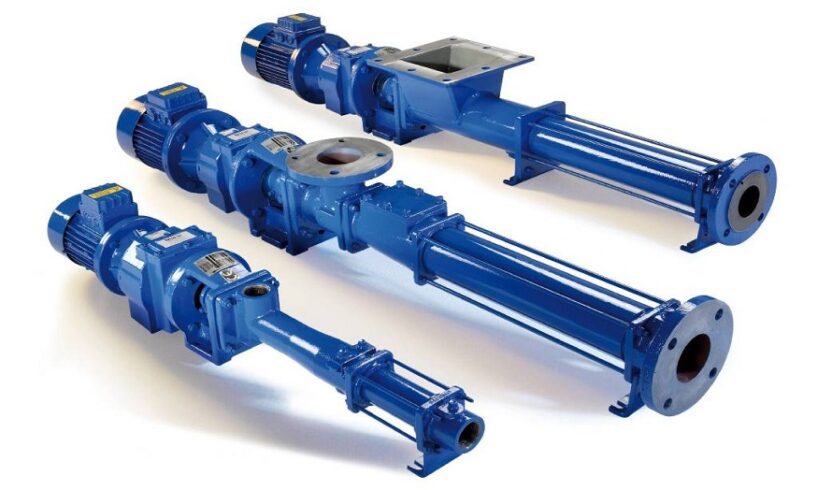
In the world of fluid transfer, few pieces of equipment are as misunderstood—yet as vital—as the positive displacement pump. When facilities need to move high-viscosity materials, abrasive slurries, or sheer-sensitive substances, they often find themselves at a crossroads between simple centrifugal solutions and the more nuanced engineering of specialty pumps. Among these, the progressing cavity pump stands out as an essential workhorse for industries ranging from wastewater treatment to food and beverage processing.
Understanding why a progressing cavity pump (frequently abbreviated as a PC pump) is selected for specific applications requires looking beyond basic flow rates. It requires an understanding of how its unique internal geometry maintains integrity in challenging environments where other pumps would fail.
The Unique Mechanical Architecture of a PC Pump
The primary reason operators turn to a progressing cavity pump is its fundamental design philosophy. Unlike centrifugal pumps that rely on high-speed impellers to throw fluid outward, these units utilize a rotating, helical steel rotor that moves within a stationary, elastomeric helical stator.
As the rotor turns, it forms a series of discrete cavities that travel from the suction end to the discharge end of the housing. Because the seal between the rotor and stator is maintained throughout the rotation, the fluid is effectively pushed along in a continuous, non-pulsating stream. This is why a PC pump is often the preferred choice when the goal is to maintain the chemical or physical structure of the product being moved.
Why Viscosity Is Not a Barrier
Most industrial pumps struggle as viscosity increases. Centrifugal pumps experience a precipitous drop in efficiency as fluid thickness grows, often leading to cavitation or thermal damage. In contrast, a progressing cavity pump excels as viscosity rises. The internal cavity design is inherently suited for viscous fluids because the “push” provided by the rotor does not depend on turbulence or high-velocity liquid flow. Whether dealing with heavy sludge, resins, or food pastes, the pump handles these materials with remarkable consistency.
Precision Control and Shear Sensitivity
One of the most critical aspects of modern fluid processing is the prevention of degradation. Many modern substances—from organic polymers used in water treatment to delicate food ingredients like fruit particulates or dairy creams—are shear-sensitive. Subjecting these materials to the violent, high-speed turbulence of a standard pump can permanently destroy their value.
Read More: A Complete Guide to Creating the Ideal Exhibition Stand
A progressing cavity pump provides a gentle, low-shear environment. The fluid remains largely undisturbed as it travels through the helical cavities. Because the flow is volumetric and consistent, operators gain a high degree of control over the output. By adjusting the rotational speed of the motor, flow rates can be predicted with extreme accuracy, making the PC pump a staple in dosing and metering applications where precise quantities must be delivered under pressure.
Managing Abrasive Media in Heavy-Duty Applications
Industrial environments are rarely clean. From grit-heavy wastewater streams to slurries loaded with suspended solids, the materials being pumped often contain abrasive particles that would quickly erode the precision components of a gear or piston pump.
The design of a progressing cavity pump allows for the management of solids in a few distinct ways:
- Reduced Velocity: Because the fluid travels at lower internal velocities, the “sandblasting” effect of abrasive particles against the pump internals is significantly mitigated.
- Material Compatibility: The stator is usually constructed from specialized elastomers, such as nitrile or Viton, which can be tailored to the chemical composition of the fluid. These materials can deform slightly when encountering a solid particle, allowing it to pass through the cavity without causing damage to the metal rotor.
- Extended Wear Life: When correctly specified for the application, the soft-on-hard contact between the elastomer stator and the stainless steel rotor ensures that maintenance intervals are extended, even when handling aggressive media.
Operational Considerations for Long-Term Reliability
While the progressing cavity pump is highly effective, it is not a “set it and forget it” piece of hardware. To maximize the longevity of a PC pump, engineers and plant managers must focus on three operational pillars:
1. Protection Against Dry Running
The biggest threat to any progressing cavity pump is operation without fluid. Because the stator relies on the pumped medium for lubrication and cooling, running the pump “dry” causes immediate heat buildup. This heat can melt the elastomer stator within seconds, leading to catastrophic failure. Installing flow sensors or thermal monitoring on the pump housing is a standard best practice to prevent this common and preventable error.
2. Sizing and Speed Optimization
Selecting the right size for a PC pump involves balancing the required flow rate with the abrasive nature of the media. Often, it is better to operate a larger pump at a lower speed than a smaller pump at its maximum RPM. Running the rotor at lower speeds significantly reduces wear on the stator, directly correlating to a longer service life and lower total cost of ownership.
3. Material Compatibility
Chemical compatibility is often overlooked until a seal fails or a stator swells. It is vital to audit the material of the rotor and the stator against the chemical datasheet of the fluid being processed. With modern material science, there is almost always a configuration that resists chemical attack, but this must be verified during the procurement phase.
Read More: How to Pick the UAE’s Finest 3D Printing Company?
When to Integrate This Technology
Choosing the right pumping technology requires a clear-eyed assessment of the application’s requirements. If your facility is dealing with low-viscosity, non-abrasive fluids, a traditional centrifugal pump is likely the most economical and efficient choice. However, the use case shifts dramatically when the fluid parameters change.
A progressing cavity pump is the clear answer for:
- Wastewater and Sludge: Where high solid content and fluctuating viscosities are the norm.
- Chemical Processing: Where consistent, non-pulsating flow is required for reaction vessels.
- Food and Beverage: Where maintaining the integrity of shear-sensitive particulates is paramount to product quality.
- Mining and Minerals: Where the pump must move thick, abrasive slurries over long distances.
The Future of Fluid Handling
As industrial processes become more complex and efficiency requirements tighten, the role of specialized pumping equipment has only grown. The progressing cavity pump offers a bridge between simple fluid movement and sophisticated process control. By providing a stable, reliable, and gentle method of transport, this technology allows modern facilities to handle materials that were once considered too difficult or too delicate for automated transfer.
Investing in a properly specified PC pump is an investment in process stability. Whether you are upgrading an aging wastewater facility or designing a new chemical dosing line, the reliability of the helical rotor design remains a cornerstone of efficient industrial operations. When handled with attention to maintenance, proper speed settings, and materials management, these pumps provide a level of performance that is difficult to replicate with other technologies, proving once again that in industrial engineering, the most effective solution is often the one that respects the nature of the fluid being handled.